Apartments & HOAs
Food truck nights for apartments and HOAs
A resident amenity that runs on your terms
Book a vetted local truck for one date or set a standing truck night, choose the trucks that request it, and pay the way that fits the property.
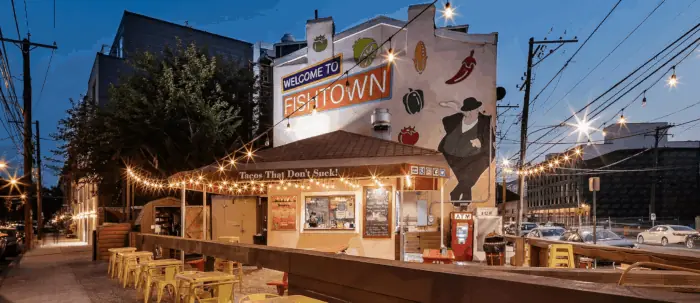
What you get
Built for property managers and boards
Book a truck for one night or run a standing program, from the same account, without the property carrying the cost.
One account for every property you manage
A management company or an HOA board runs every community it looks after from a single dashboard, with team access and a named contact for each date.
Recurring truck nights on a regular schedule
Set a weekly, biweekly or monthly night on a fixed day. Each date opens to trucks two weeks out, trucks request it, and a holiday week is a skipped date rather than a cancelled program.
One-off events whenever you need them
A pool party, a move-in weekend, a resident appreciation day or a single truck night to see how it goes. Book a date any time; nothing has to repeat.
Pay the way that fits the property
Residents pay at the truck with the property backing a guarantee it only pays if a date falls short, or the property buys the food on one invoice so residents eat free. You pick the model per event.
Vetted trucks that know residential settings
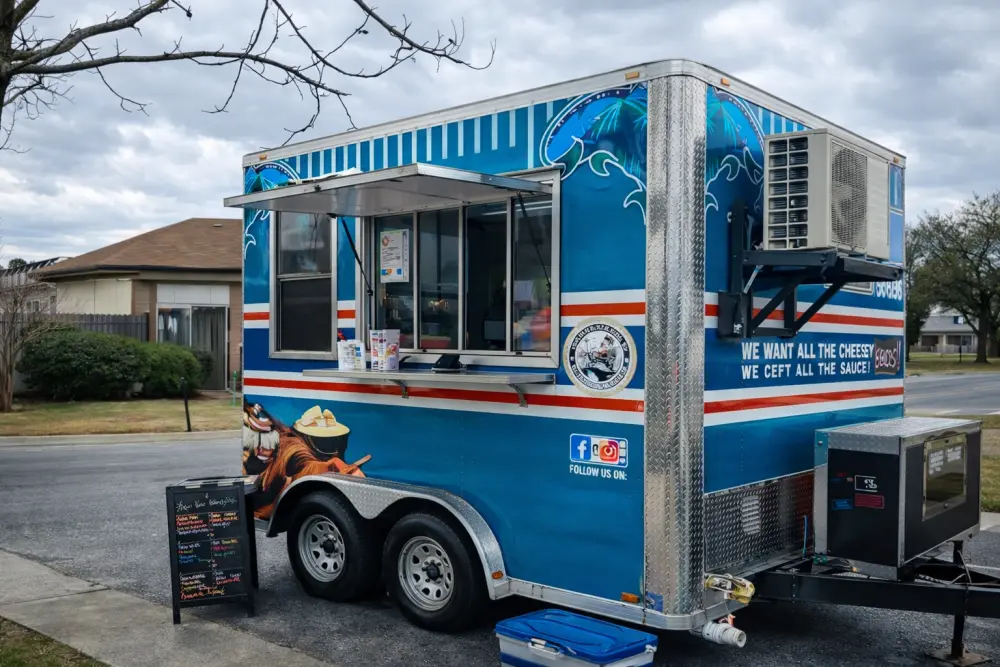
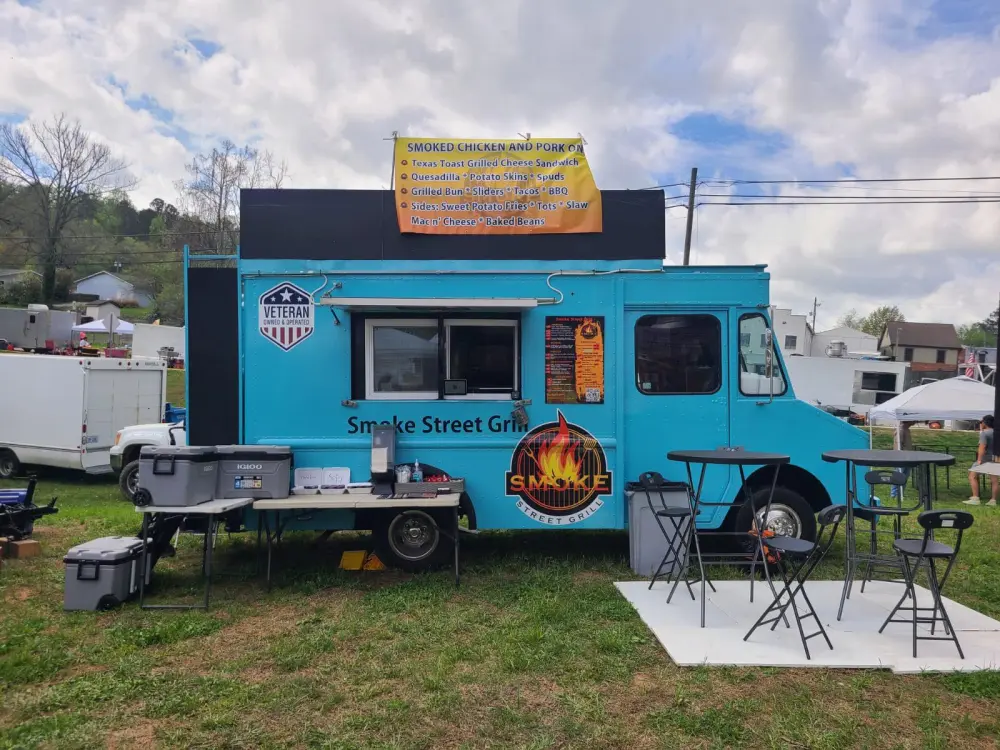
Every truck is vetted before joining, carries commercial liability insurance and its city's mobile food permit, and serves inside residential noise and hours guidelines with its own power, water and cleanup.
A line-up that rotates
Different trucks request different dates, so residents see a new cuisine each time, and the property sees who is coming ahead of time.
Three ways to pay
Pick the model that fits the property
Most truck nights run on a guarantee: residents pay at the truck and the property only pays if a date falls short. The other two exist for a large community that needs no backing, or for a day the property feeds everyone.
Residents pay, backed by a minimum guarantee
Residents buy from the truck as usual. The property guarantees the truck at least a set amount for the date, usually around $500. If its sales reach that figure the property owes nothing; if they come in under it, the property covers the gap. It is how most communities bring a good truck out.
Most apartment communities and HOAs, and any first-year schedule
Residents pay, no guarantee
The truck sells directly to residents at its own prices and the property pays nothing and takes on nothing. Trucks commit to this when a community is large enough to carry a date on its own.
Large communities with an established truck night
The property buys the food
The property covers a set number of servings and residents eat free. One invoice for the event however many trucks come, prices before tax shown up front, by card, ACH or invoice.
Resident appreciation days, move-in weekends, lease-up events
Whichever model you pick, every truck is vetted before joining the platform, carries commercial liability insurance and holds the mobile food permits its city requires.
If you want it to repeat
A standing truck night, set once
Every booking starts as a single date. If the community wants a regular night, a recurring schedule turns one request into dated events: you choose the frequency and the day, and trucks request each date the same way they request a single one.
- 1
Weekly, biweekly or monthly
Pick the frequency and the day, or a monthly pattern such as the first Thursday. Set an end date or leave it open.
- 2
A different truck can take each date
Different trucks request different dates, so the line-up rotates, and the property sees who is coming ahead of time.
- 3
Each date opens two weeks out
Every recurring event is created two weeks before its date, which is when trucks can request it and start preparing.
- 4
Skip a date without breaking the schedule
A holiday week or a pool closure is a skipped date, not a cancelled program.
- 5
Invoiced per occurrence
A date is only invoiced when the property owes something: a guarantee shortfall or a host-paid order. A date where the truck's sales cover the guarantee produces no invoice.
What the property provides
Three things, then the truck does the rest
The property provides
- A level stretch of about 25 feet with 12 feet of clearance, placed so driveways and emergency access stay open
- The owner's or the board's approval for the truck to use the lot; on private property that is the only permit needed
- A note to residents: the day, the time and where the truck parks
The truck brings
- Its own power, water and cleanup; a power outlet is only occasionally needed
- The mobile food permit its city requires and commercial liability insurance
- Service inside residential noise and hours guidelines
Each city page carries the local specifics: where truck nights happen in that market, the clearance a truck needs, and the permit office if a street is closed.
How a truck night gets booked
Four steps, and you stay in control of who comes
Tell us about the property
The address, the date, roughly how many residents and how you want to pay. Two minutes on the form. Add a frequency if you want it to repeat.
Trucks in your area are notified
They see the date, the property and the crowd, and the ones that want the night request it.
You choose
You are notified of each request and confirm the truck you want. If you set a schedule, each later date opens two weeks out and trucks request it the same way.
Residents show up
The truck arrives, serves the window and cleans up. The leasing office gets an amenity to talk about.
Browse by city
Find trucks near the property
Each city's roster lists every truck that serves it, with menus and cuisines, so you can see who might request your date.
Testimonials
What Our Clients Say
Real feedback from event organizers who booked through Food Truck Club
"Fantastic!!! Everyone loved the food, especially the steak tacos & amazing churros. Tacomotora was on time, easy to work with, & pulled the truck down my long driveway with ease. Would definitely hire them again."
October 2026
"The food was incredible! Super nice and great with our guest. Truck is not too large either and great size for home parties."
October 2026
"The event was a huge success!! The team loves your pizza. We will definitely see you again!"
October 2026
"The food is delicious!"
October 2026
"We had a great experience with That 1 Place for our neighborhood's National Night Out event. They communicated well leading up to the event, promptly responding to my emails and answering all of my questions. They arrived on time for set up and were completely self-sufficient on-site. Our attendees enjoyed the menu selection, and I received positive feedback on the food quality. I appreciated their friendly customer service and overall professionalism through the process!"
October 2026
"They are amazing! Awesome service."
October 2026
FAQ
Apartment and HOA FAQs
What property managers and boards ask before they book
Does the property have to pay for the food?
Usually not. Residents pay at the truck, and the property backs a minimum guarantee, usually around $500 per date, that is only owed if the truck's sales fall short of it. That is the most common setup for resident truck nights. A large community with an established night can bring a truck out with no guarantee at all.
Can we set up a recurring truck night?
Yes, if you want one. Every booking starts as a single date; a schedule is the option for a community that wants a regular night. Choose weekly, biweekly or monthly and a fixed day, or a monthly pattern such as the first Thursday. Each date is created two weeks ahead, trucks request it the same way they request a single night, and a holiday week is a skipped date rather than a cancelled schedule.
Where does the truck park?
A level stretch of about 25 feet with 12 feet of clearance: a clubhouse or amenity center lot, a courtyard, a leasing office lot, or a tower's plaza or loading area once building management agrees. Driveways and emergency access stay open. We confirm placement with the property before the first date.
Do we need a permit?
On property the HOA or the manager controls, the owner's approval is all a truck needs; the truck carries its own mobile food permit and insurance. Closing a residential street for a block party needs the city's block party permit, and the city page for your market names the office and the lead time.
How many residents does it take?
Any community can run a truck night on a guarantee, and the property only pays the gap on a date the truck's sales come in under it. A large community with an established night can usually drop the guarantee altogether.
What about noise and cleanup?
Trucks serve inside residential noise and hours guidelines and handle their own cleanup. They bring their own power and water; an outlet is only occasionally needed.
We manage several properties. Does each need its own account?
No. One account runs a schedule for every property you manage, with team access and a named contact for each date. A date is only invoiced when the property owes something: a guarantee shortfall or a host-paid order.
How far ahead should we set it up?
A couple of weeks of notice covers a single date, and week-of works more often than not. If you set a schedule, its first date can be two weeks out, since that is when each date opens to trucks.
Key Takeaways: Food Trucks for Apartments and HOAs
- Most truck nights run on a guarantee: residents pay at the truck and the property only pays if a date falls short
- Book one date, or set a weekly, biweekly or monthly schedule and trucks request each date the same way
- A minimum guarantee, owed only if a date falls short, is what brings a good truck to a community of any size
- The property provides a level 25-foot stretch with 12 feet of clearance and the board's approval; the truck brings its permit, insurance, power and cleanup
- One account runs every property a management company handles, with team access and a contact for each date


Ready to give residents a truck night?
Tell us the property and the date, or the day and the frequency if you want a standing night. A guarantee costs nothing to confirm.